
Stop buying sensors before measuring the cameras you have
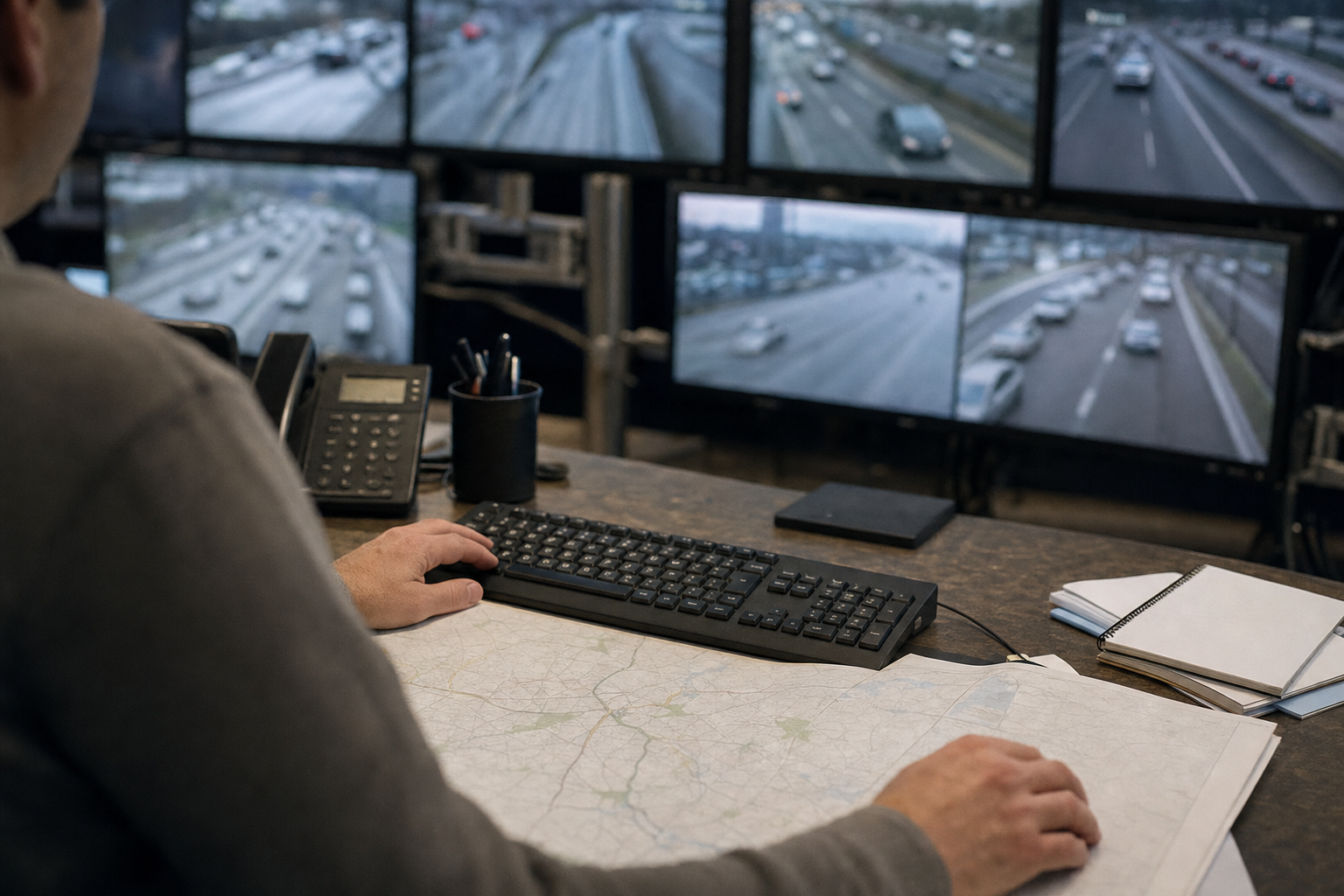
Traffic operations directors already manage corridors full of installed cameras, yet many teams still treat new sensors as the default path to better congestion and safety data. The Seattle Department of Transportation’s University District project shows a more practical route: improve outcomes by using existing corridor infrastructure more intelligently. According to the city’s project page, the work focused on transportation technology and safety improvements in a busy neighborhood where travel time, reliability, and vulnerable road user movement matter every day. The point is not that every corridor needs a large rebuild. It is that city teams should first ask whether their current camera fleet can produce the operational awareness needed to adjust signals, reduce delay, and support Vision Zero goals.
Seattle’s University District proves the operational case
Seattle DOT’s University District Transportation Technology and Safety Improvements program gives city leaders a useful model because it ties technology to corridor performance, not technology adoption for its own sake. The project used traffic cameras and adaptive signal timing to improve how people move through the area. For a traffic operations group, that distinction matters. Cameras are not just video feeds for manual review; they can become measurement points for vehicle, pedestrian, bike, bus, lane, and queue patterns. When those patterns inform signal timing and operator workflows, the city can evaluate travel time and reliability as outcomes, rather than waiting for complaints or periodic field studies to reveal where a corridor is failing.
Computer vision should sit on top of installed infrastructure
The mild contrarian view is simple: the fastest congestion program may not start with procurement for new roadside hardware. It may start with one existing camera and one pre-trained computer vision model. nureal’s camera-agnostic approach fits that operating reality by retrofitting Computer Vision AI onto cameras a city already owns, with edge inference for real-time event signaling. On a corridor like Seattle’s University District, the useful signals are practical: vehicle movement, bus delay, bike and pedestrian activity, queue length, lane violations, crash indicators, and changing patterns of behavior across different times of day. Those signals become more valuable when Agentic AI routes them from signal to action – an alert, a workflow, or an input into traffic management decisions – instead of leaving staff to watch screens and assemble evidence by hand.
Measure the pilot like an operations program, not a demo
A city DOT does not need a complex data science engagement to test whether computer vision monitoring can improve a corridor. Pick a known problem location, define the baseline, then measure the before-and-after effect in units operators already use: travel time, travel-time variability, queue length, pedestrian exposure, and incident detection-to-action time. The University District example is useful because it connects cameras and adaptive signal timing to measurable mobility and safety improvements. A 30- to 90-day pilot can follow the same logic. Start with one camera, activate one model, send one class of event into the traffic operations workflow, and review whether the signal helped operators act faster or justify the next phase of funding.
A practical path for cities under budget pressure
Rip-and-replace programs slow down the work that traffic teams are accountable for now. A monitoring-first approach lets cities begin with installed cameras, pre-trained models, and a narrow operational question: where can better real-time awareness reduce delay or risk this quarter? Privacy also needs to be explicit. This is monitoring for patterns of behavior and operational conditions, not persistent identification. Generative AI can then help summarize corridor conditions and pilot results for briefings, grant updates, and committee conversations without forcing staff to rebuild reports from raw observations. For procurement-aware teams, nureal is available on Sourcewell Contract #041525-NURL. Start with one corridor, one camera, and one measurable outcome. Talk to an expert.